Skip to content
Home
Fire Codes / Propane Regulations
Common Compliance Violations
Resources
Home
Fire Codes / Propane Regulations
Common Compliance Violations
Resources
Common Compliance Violations
Common Compliance Violations
Common Compliance Violations Sited in Michigan Cannabis Facilities Sited by AHJs
Improper indoor use of propane heaters or generators
Use only listed, vented commercial appliances
Propane tanks too close to structures or exits
Ensure 10-25 Ft. clearance (NPFA 58)
Unpermitted propane piping or appliances
All installations must be inspected and approved
No emergency shutoff signage or access
Post ‘PROPANE — FLAMMABLE GAS’ signage with clear shutoff
No bollard/vehicle protection
Install barriers for tanks exposed to traffic
DIY or modified appliances
Use only UL-listed or manufacturer-approved systems
Common Compliance Violations—Grower
Improper Propane Heater Use Indoors
Using unvented propane heaters without CO detectors or ventilation
Using heaters in spaces not compliant with manufacturer clearances
Storing Propane Cylinders Indoors
Storing cylinders in grow rooms or enclosed areas, violation NFPA 58
Propane Cylinders must be stored outside in ventilated cages
Failing to Maintain Required Clearances
Propane heaters placed too close to flammable grow materials (poly films, fertilizers)
No Leak Detection / CO Detectors
absence of CO alarms where propane heaters are used
No routine leak testing on propane lines / regulators
Using Non-Certified Equipment
Using modified or homemade propane burner setups not approved by BFS
Lacking UL or CSA certification on heating devices
Common Compliance Violations—Processor
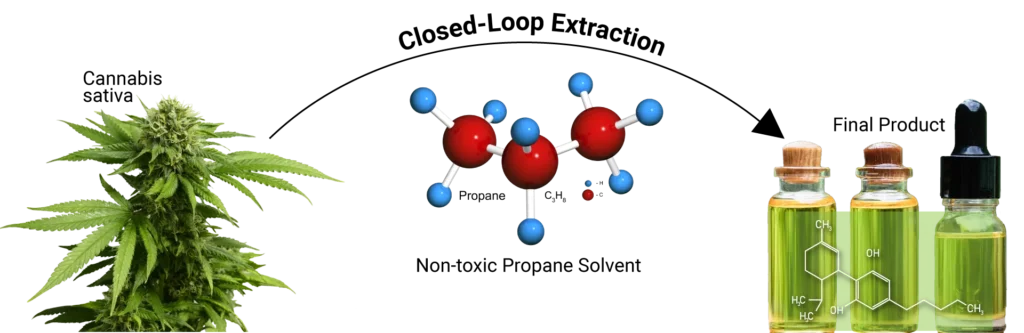
Using Open-Loop Systems Instead of Closed-Loop
Open-blast extraction using propane is prohibited
Operating Outside C1D1 Environments
Extraction not conducted in a rated explosion-proof booth or hood
(CRA Rule R 420.604(5), NFPA 1 & 58, BFS enforcement)
Lack of Proper Gas Detection Systems
No LEL sensors or interlocking systems within extraction spaces
Failure to install Suppression or Ventilation Systems
Missing automatic fire suppression in extraction rooms
Inadequate exhaust per NFPA 1 and NPFA 58
Indoor Storage of Propane Cylinders in Extraction Areas
Keeping LPG cylinders inside processing rooms.
Indoor Transfilling of Propane
Filling or moving propane from one container to another indoors – this is prohibited
Non-Odorized Propane Without Emergency Protocols
Using non-odorized propane without enhanced monitoring or SOPs
Improper Propane Cylinder Handling / Storage
Cylinders not stored upright, without caps, or lacking ventilation
Lack of NFPA 58 Compliance Across Equipment
Unapproved propane piping, fitting, and inadequate labeling/signage
Inadequate Staff Training and Standard Operating Procedures (SOPs)
Employees unaware of handling propane handling procedures or emergency response